OpenAI Blog
Sep 12, 2024
arXiv:2609.17496v1 Announce Type: new Abstract: LLM assistants are widely used for daily social advice, yet evaluating their social reasoning in such consultation settings remains challenging since (...
Memory has emerged as a cornerstone of modern LLM-based agents, supporting their evolution from single-turn assistants to long-term collaborators. However, memory is not always beneficial: retrieved memories often induce a critical issue of sycophancy, causing agents to over-align with the user at the cost of factual accuracy or objective reasoning.
arXiv:2607. 16851v1 Announce Type: new Abstract: Deploying LLM agents typically requires a compact test-time student, even if a stronger teacher is available during training.
arXiv:2607. 01071v1 Announce Type: cross Abstract: Memory has emerged as a cornerstone of modern LLM-based agents, supporting their evolution from single-turn assistants to long-term collaborators.
arXiv:2512. 20845v2 Announce Type: replace Abstract: LLMs have shown the capacity to improve their performance on reasoning tasks through reflecting on their mistakes, and acting with these reflections in mind.
arXiv:2607. 00627v1 Announce Type: new Abstract: Large language models (LLMs) are powerful pattern-completion systems, but their default operating mode - predicting the next token from a static context - does not reliably produce persistent, manipulable representations of an external world.
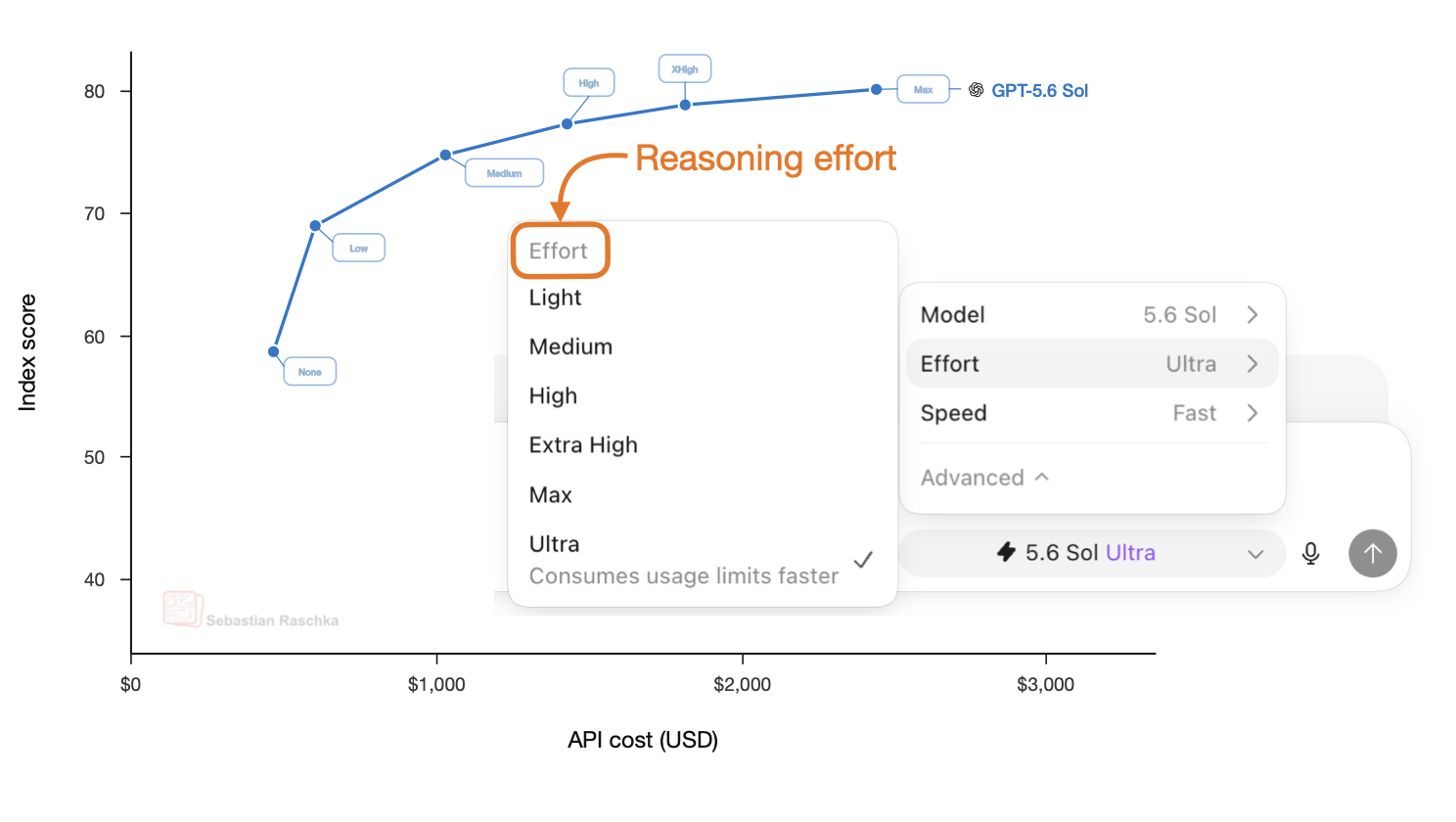
How LLMs Learn Low-, Medium-, and High-Effort Reasoning Modes
To help robots do chores in places like homes and factories, a new approach from MIT uses one language model to clarify users’ instructions, then another to ignore irrelevant info.
arXiv:2603. 00026v2 Announce Type: replace-cross Abstract: Memory management is essential for LLM agents in long-term interactions.
arXiv:2604. 01161v2 Announce Type: replace Abstract: Large language models (LLMs) exhibiting test-time scaling behavior, such as extended reasoning traces and self-verification, have demonstrated remarkable performance on complex, long-term reasoning tasks.
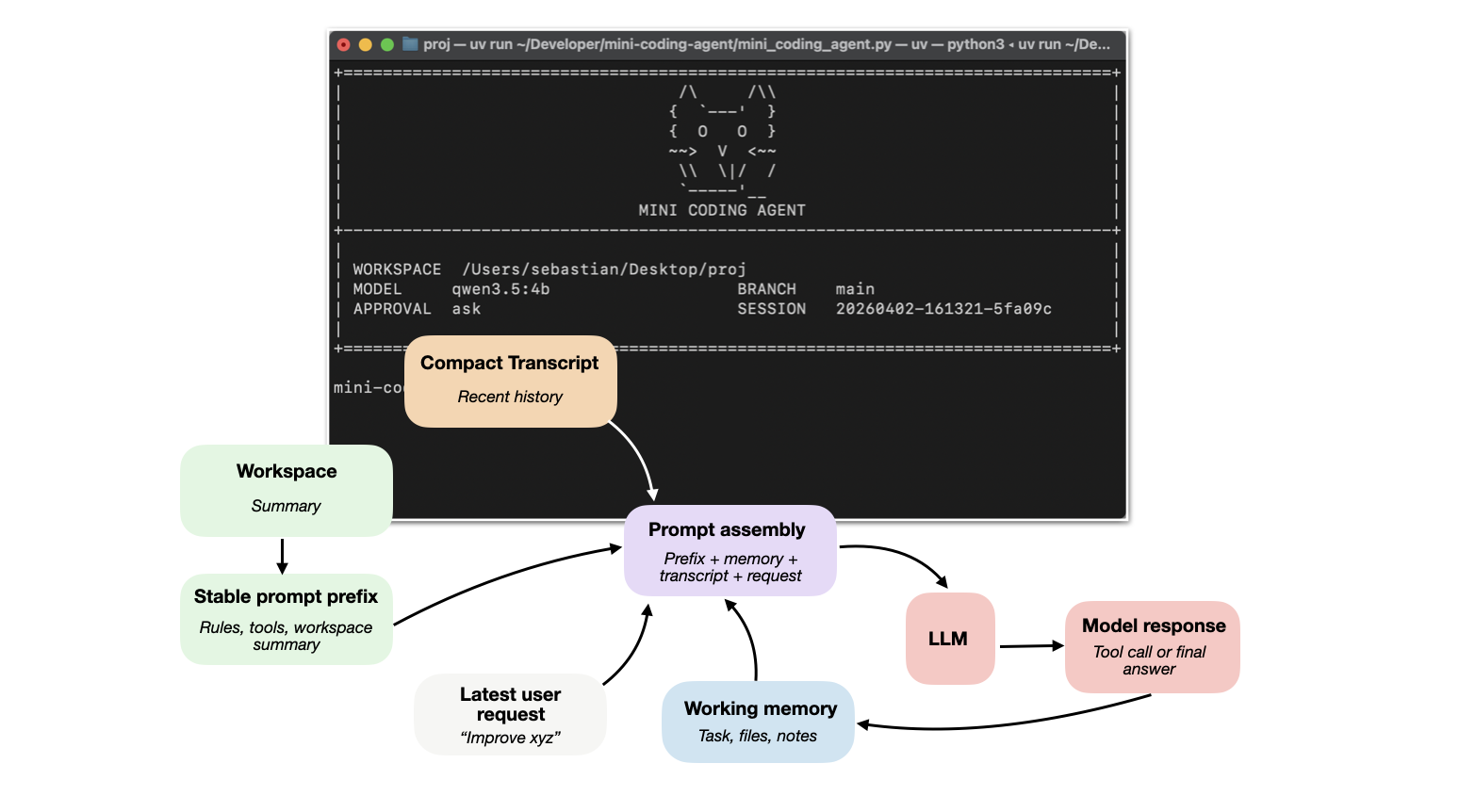
How coding agents use tools, memory, and repo context to make LLMs work better in practice