arXiv:2608. 16806v1 Announce Type: cross Abstract: Large Language Models (LLMs) have demonstrated capabilities in in-context learning, task decomposition, step-by-step reasoning, and code generation, driving their gradual evolution from text generation models into the core of agents capable of perceiving environments, invoking tools, and executing tasks.
By Jiawei Liu, Jiacheng Guo, Tian Zhang, Yiwei Xu, Juan Wang, Jinlin Fan, Bowen Xiao, Chi Guo, Keyan Guo, Hongxin Hu
The article discusses the rise of large language models (LLMs) and their growing influence on our decisions and actions. It explores the concept of agentic LLMs—LLMs that can act directly in the real world and interact with one another. The book aims to explain how these agentic LLMs function, their capabilities, and the implications for users.
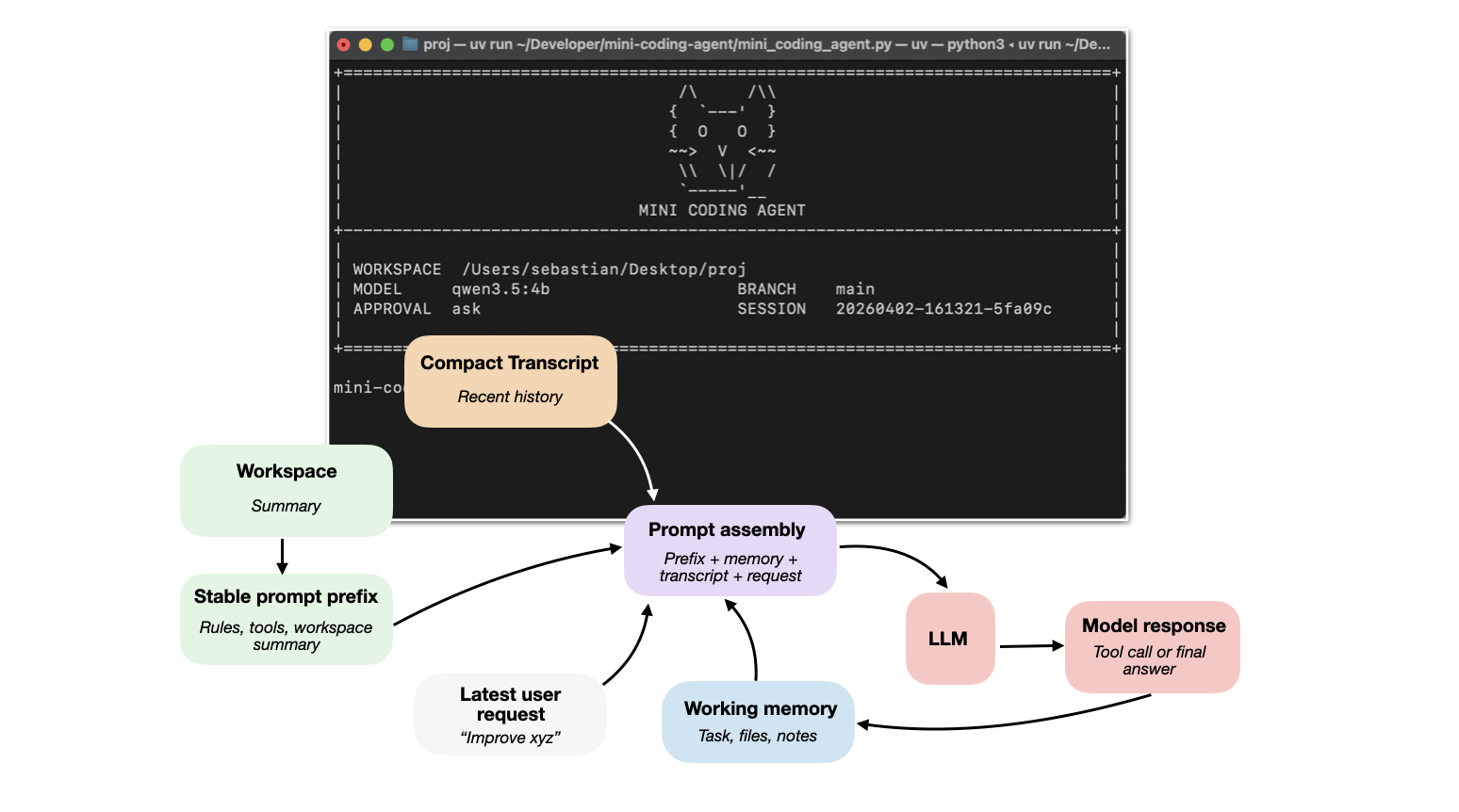
How coding agents use tools, memory, and repo context to make LLMs work better in practice
By Sebastian Raschka, PhD
The article introduces the concept of Agentic Large Language Models, which extend traditional LLMs by enabling them to act directly in the real world and interact with one another. It outlines how these agentic LLMs function, their mechanisms for action, and the implications of their capabilities for users. The discussion highlights the growing influence of LLMs on decision-making and explores the potential shifts in how we engage with AI tools.
By Max van Duijn, Michiel van der Meer, Aske Plaat, Niki van Stein
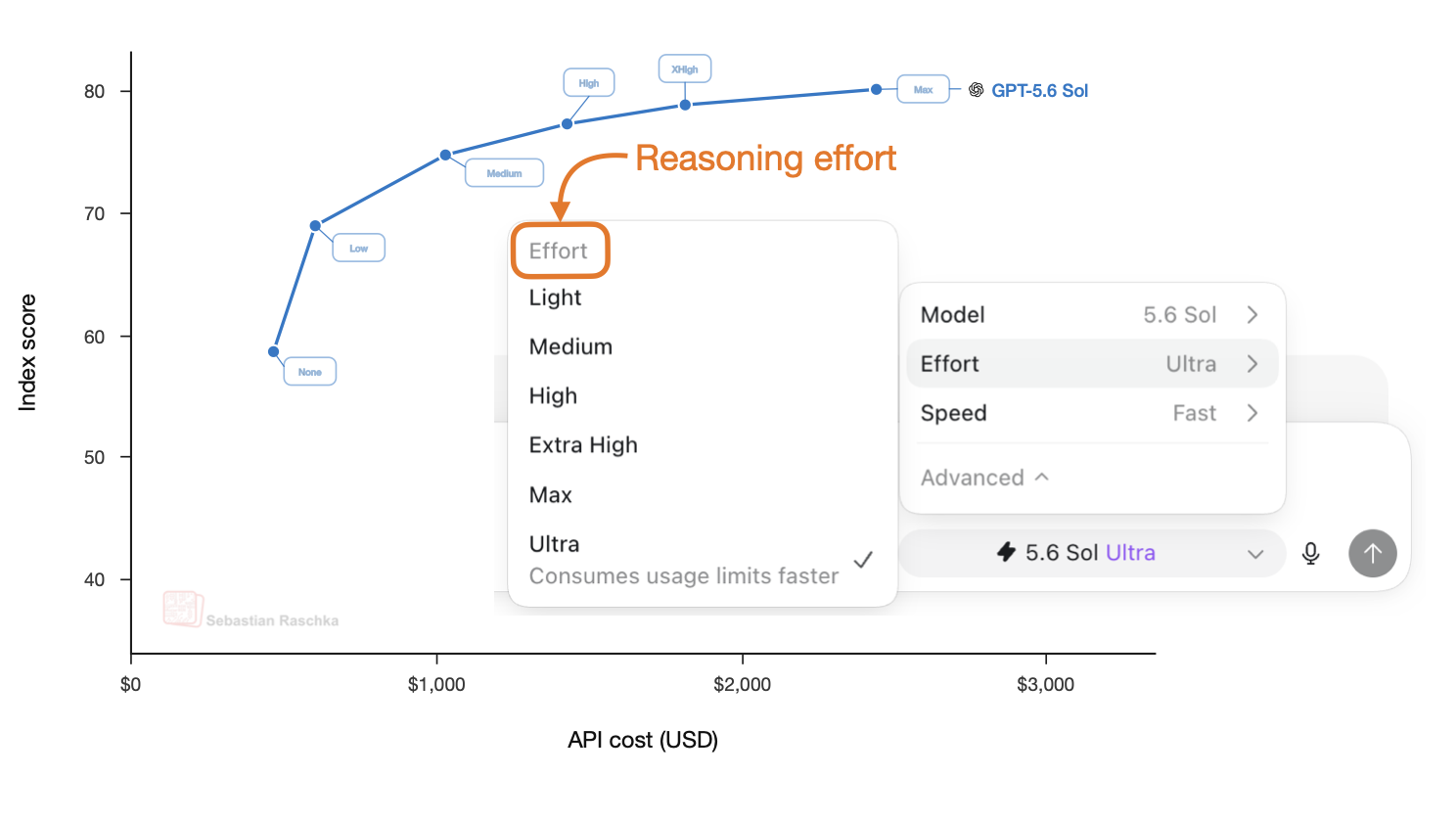
How LLMs Learn Low-, Medium-, and High-Effort Reasoning Modes
By Sebastian Raschka, PhD
arXiv:2610.16490v2 Announce Type: replace
Abstract: The contention is that the current batch of Large Language Models don't *understand* language, but they *do* it. Rather than LLMs forming some kind...
By Peter Wallis
Understanding ow LLMs interact with the world around them, from returning data to taking action The post Tool Calling, Explained: How AI Agents Decide What to Do Next appeared first on Towards Data Science .
By Maria Mouschoutzi
A new system developed by MIT researchers can identify and correct unreliable object descriptions that a robot has stored in its memory. By cleaning up these fuzzy memories, the robot’s ability to interact accurately with its environment is improved. The approach demonstrates a practical method for enhancing robotic perception and decision‑making.
By Adam Zewe | MIT News
The paper "Why did My Robot Just Change Personality? Prompting Guidelines for a Grounded Robot Persona in LLM-Based HRI" addresses the lack of clear prompt design in human‑robot interaction using large language models. It proposes a framework and a structured prompt template with eight functional components to specify, bound, and adapt robot behavior. The authors base their guidelines on a review of prior work and on survey data from 27 HRI experts, highlighting issues such as unclear robot personality, the need for user adaptation, and ethical concerns around safety, deception, and governance.
By Ashita Ashok, Franziska Babel, Patrick Holthaus, Rucha Khot, Karla Bransky, Fethiye Irmak Dogan, Karsten Berns, Silvia Rossi, Minha Lee, Guy Laban