arXiv:2608. 16806v1 Announce Type: cross Abstract: Large Language Models (LLMs) have demonstrated capabilities in in-context learning, task decomposition, step-by-step reasoning, and code generation, driving their gradual evolution from text generation models into the core of agents capable of perceiving environments, invoking tools, and executing tasks.
By Jiawei Liu, Jiacheng Guo, Tian Zhang, Yiwei Xu, Juan Wang, Jinlin Fan, Bowen Xiao, Chi Guo, Keyan Guo, Hongxin Hu
The article discusses the rise of large language models (LLMs) and their growing influence on our decisions and actions. It explores the concept of agentic LLMs—LLMs that can act directly in the real world and interact with one another. The book aims to explain how these agentic LLMs function, their capabilities, and the implications for users.
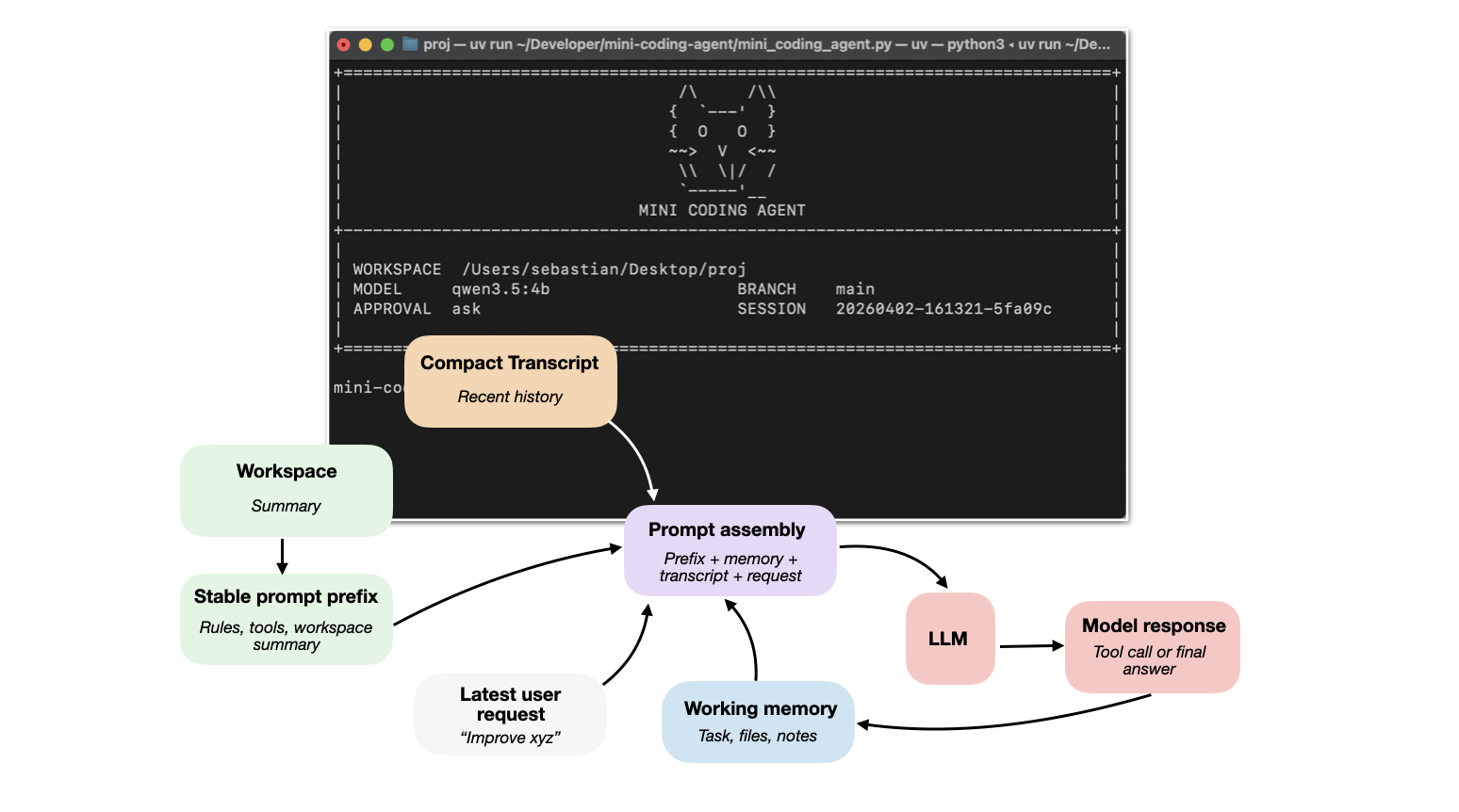
How coding agents use tools, memory, and repo context to make LLMs work better in practice
By Sebastian Raschka, PhD
The article introduces the concept of Agentic Large Language Models, which extend traditional LLMs by enabling them to act directly in the real world and interact with one another. It outlines how these agentic LLMs function, their mechanisms for action, and the implications of their capabilities for users. The discussion highlights the growing influence of LLMs on decision-making and explores the potential shifts in how we engage with AI tools.
By Max van Duijn, Michiel van der Meer, Aske Plaat, Niki van Stein
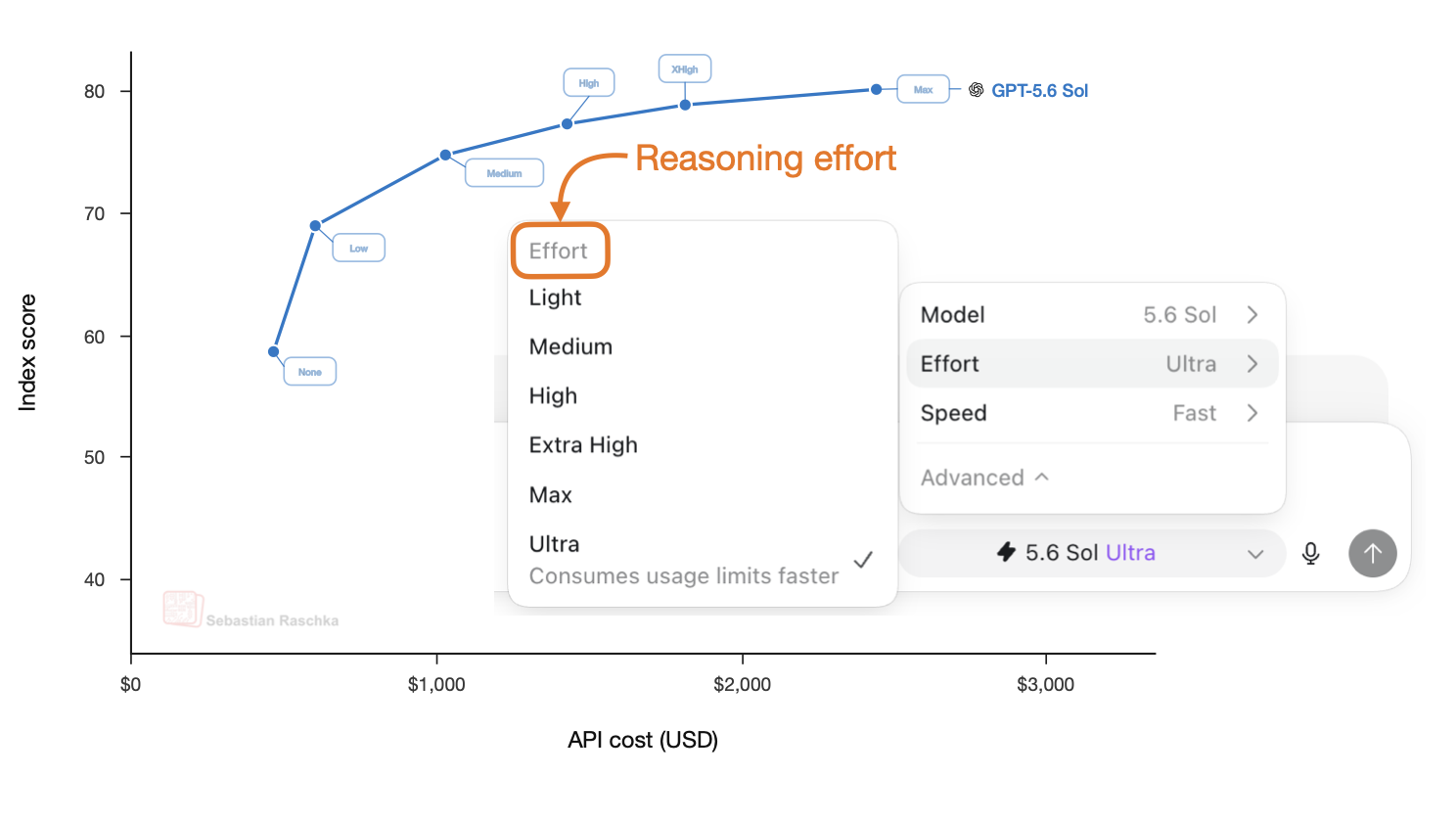
How LLMs Learn Low-, Medium-, and High-Effort Reasoning Modes
By Sebastian Raschka, PhD