Hugging Face Blog
Oct 16
The article discusses a new 501B model called Reflection's Beam, which activates only 23B parameters per token, presenting it as a cost-effective option. However, the piece highlights that hosting this model requires significant resources, potentially offsetting its initial appeal. It examines the trade-offs between parameter efficiency and operational demands for this emerging open-weight model.
An open, 2. 8-trillion-parameter model shipped with 47 pages of its own recipe.
The article "Welcome to Google Gemini 4 Argon" discusses how the new million‑token output window allows users to provide larger inputs to the model in a single pass. It examines benchmark results and cost implications to determine which users will benefit most from this capability.
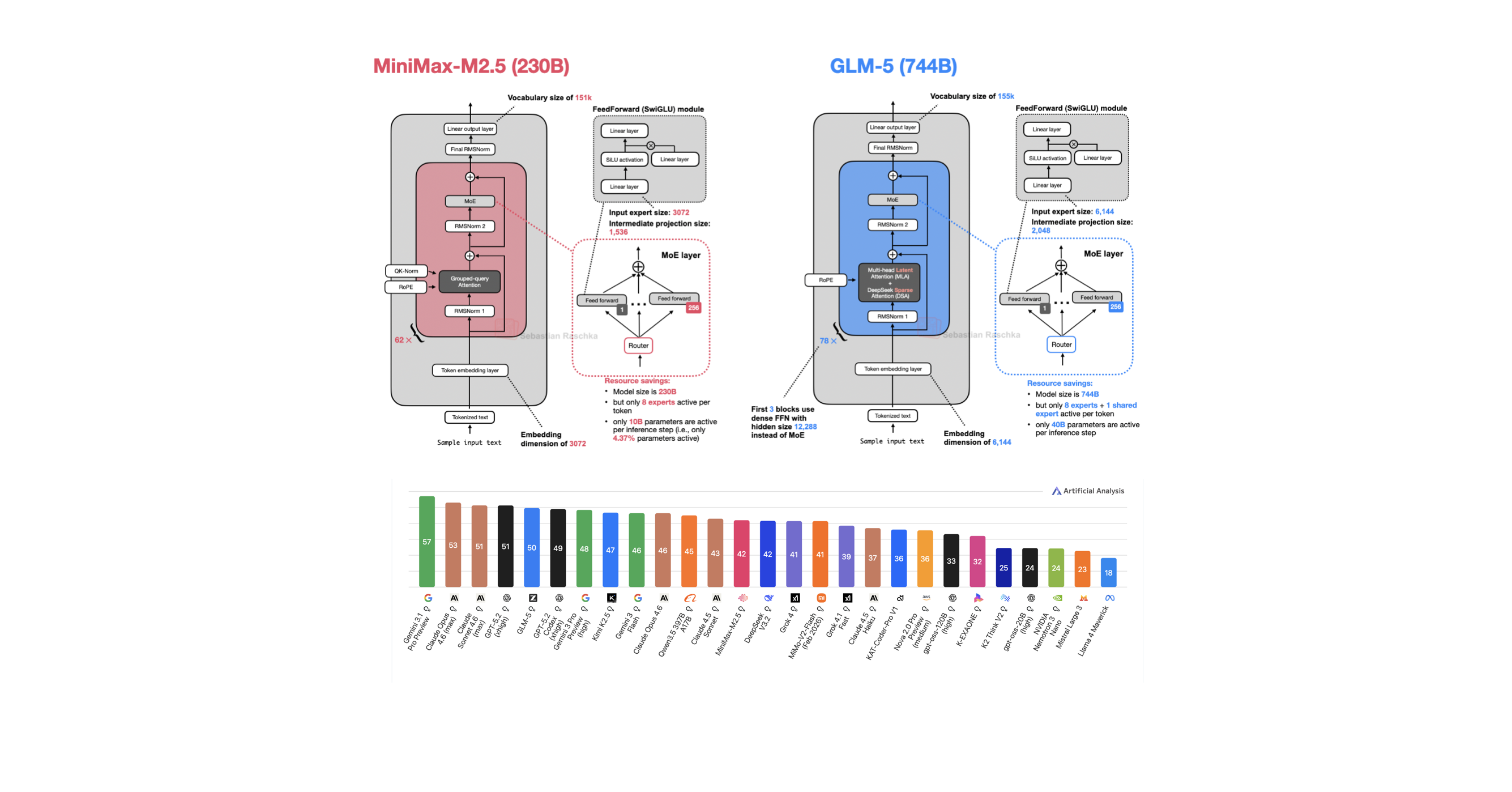
A Round Up And Comparison of 10 Open-Weight LLM Releases in Spring 2026
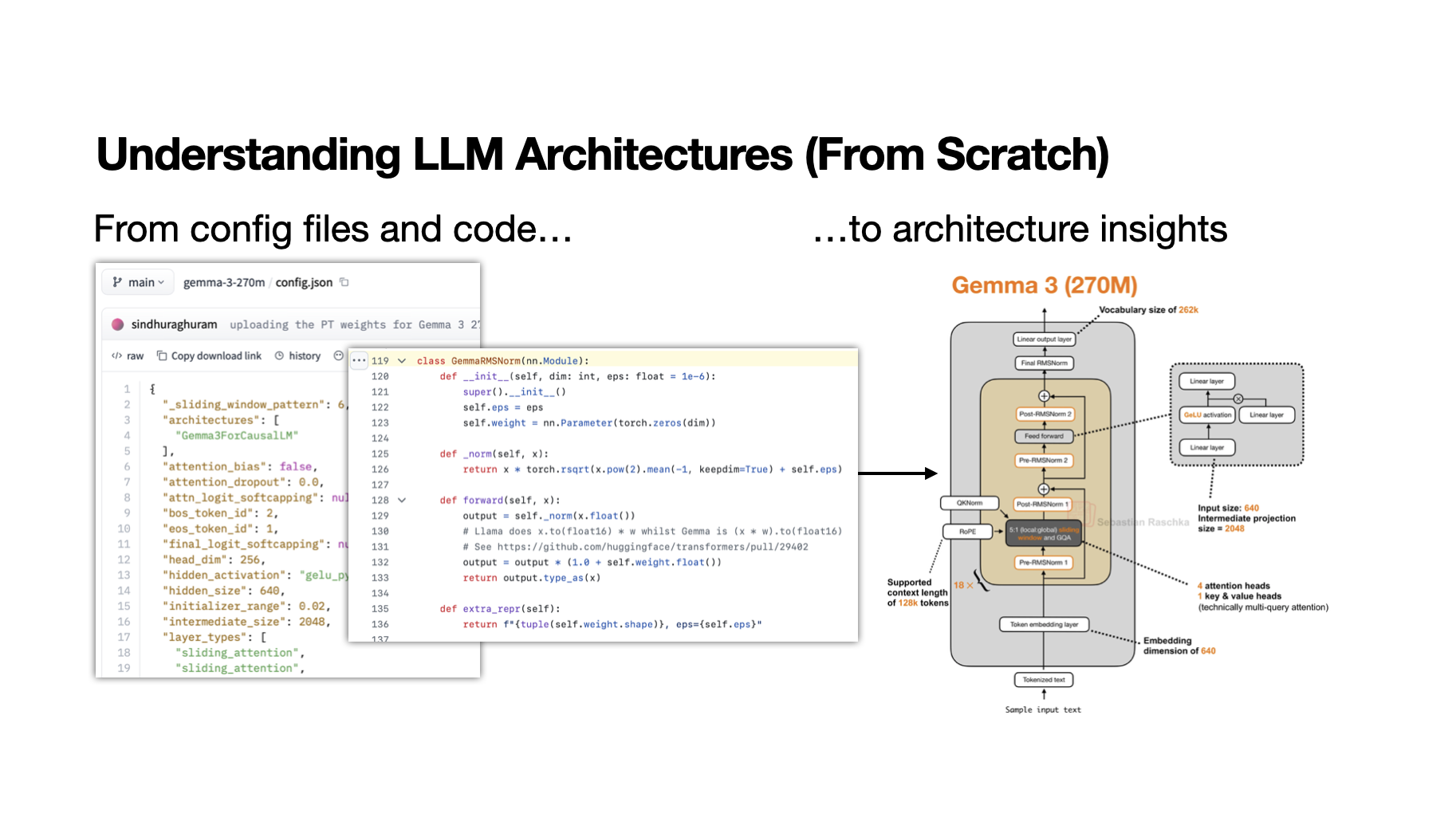
A learning-oriented workflow for understanding new open-weight model releases
DeepSeek V4 Pro 0813 (on OpenRouter) The latest DeepSeek Pro model is now available, via API only. I had to link to OpenRouter because DeepSeek don't have any obvious announcement page for their new model.
We introduce gpt-oss-120b and gpt-oss-20b, two open-weight reasoning models available under the Apache 2. 0 license and our gpt-oss usage policy.
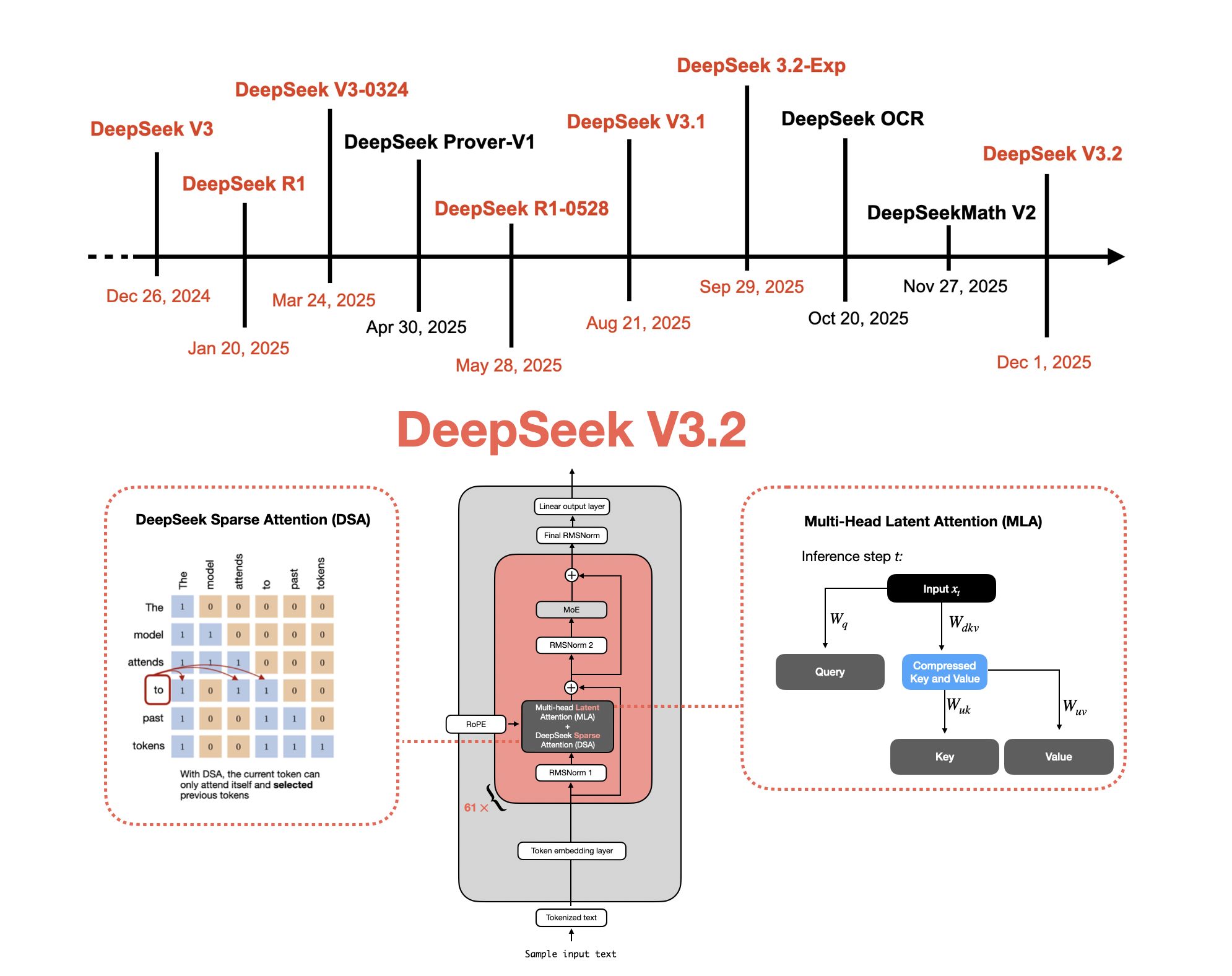
Understanding How DeepSeek's Flagship Open-Weight Models Evolved
Enterprise Document Intelligence [Vol. 1 #8quater] - Two angles on the cascade, cost and a validation loop, backed by a real sweep of twenty local models against a hosted flagship The post Loop Engineering for RAG Generation: An LLM Cascade from a Cheap Local Model Up to a Hosted Flagship appeared first on Towards Data Science .
The article "How Does a RAG Reranker Really Work?" explores the inner workings of Retrieval-Augmented Generation (RAG) rerankers, focusing on how data scientists explain the model’s operations behind the scenes. It discusses the impact of these insights on architecture decisions within enterprise document intelligence, specifically in the context of Enterprise Document Intelligence Vol.1 #2D. The piece highlights the importance of transparent model explanations for effective enterprise RAG implementation.
Towards Data Science has announced a major overhaul of its website and contributor portal. The new site promises faster performance and a brand‑new portal for writers, aiming to improve the experience for both readers and contributors. The update is positioned as a significant upgrade for anyone who reads, writes, or both on the platform.
The article presents a controlled comparison between a top‑5 Retrieval‑Augmented Generation (RAG) pipeline and a single 127,000‑token prompt using the same 12 questions, system prompt, and model. Both approaches were graded blind on correctness, completeness, and grounding. The study evaluates cost, latency, and answer quality for each method.