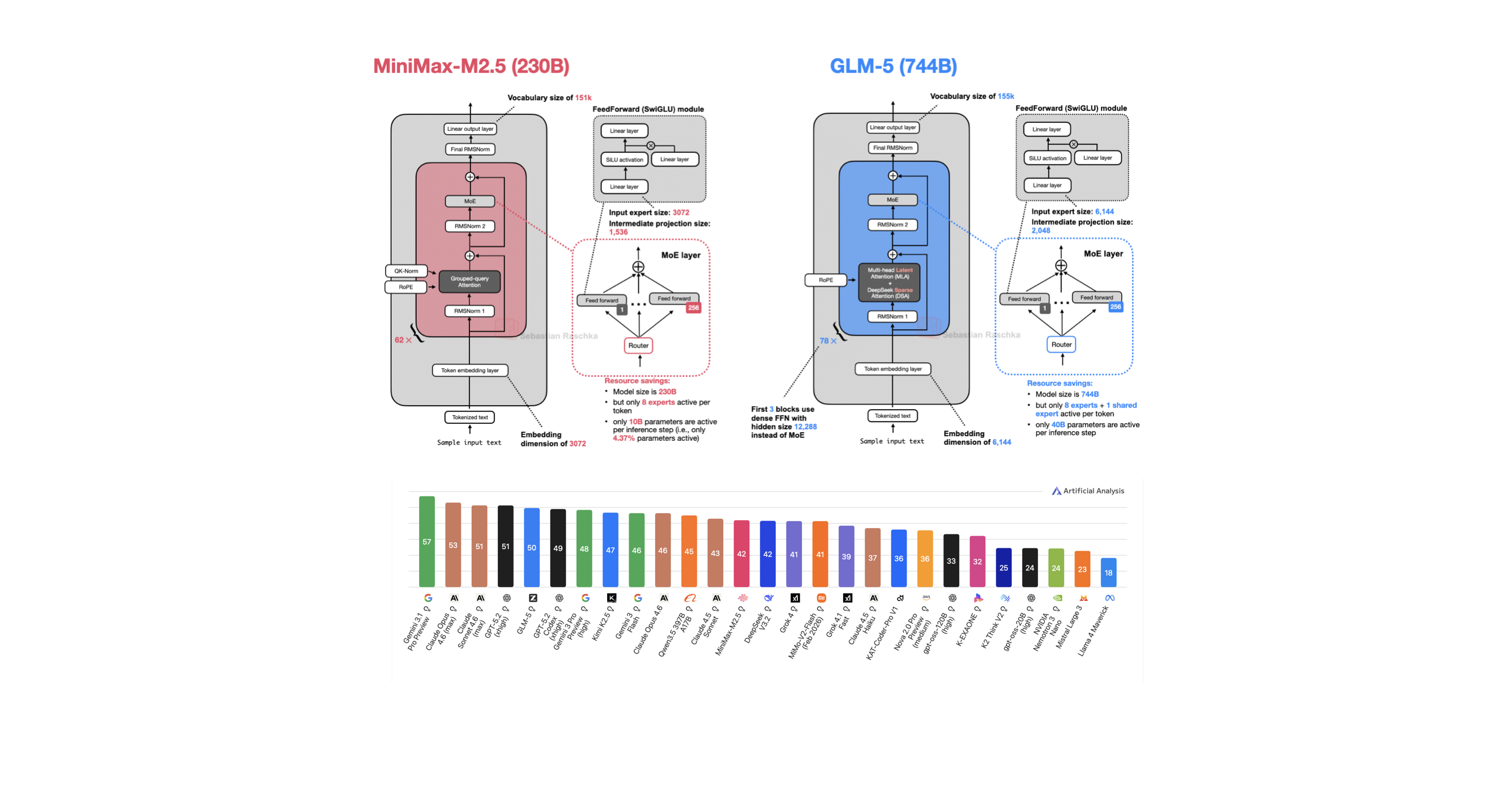
A Round Up And Comparison of 10 Open-Weight LLM Releases in Spring 2026
By Sebastian Raschka, PhD
If you have ever wanted to actually build an LLM inference runtime yourself — pack your own weights, own every barrier, capture your own CUDA graphs — this is what that journey looks like on an H100. A step-by-step tour of a small runtime called annotated-llm-runtime, and the three bugs that produced most of the annotations.
By Anubhab Banerjee
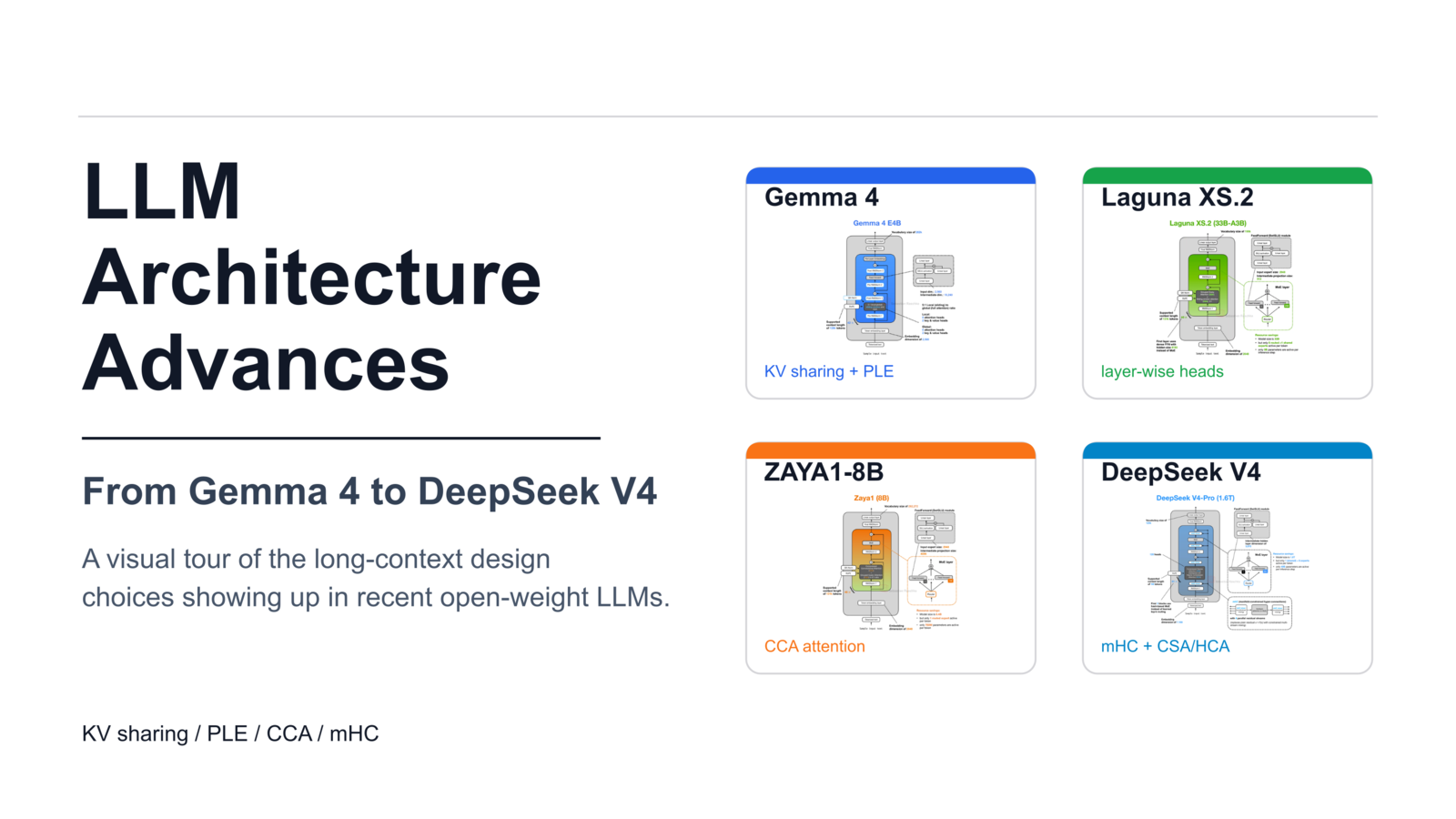
From Gemma 4 to DeepSeek V4, How New Open-Weight LLMs Are Reducing Long-Context Costs
By Sebastian Raschka, PhD
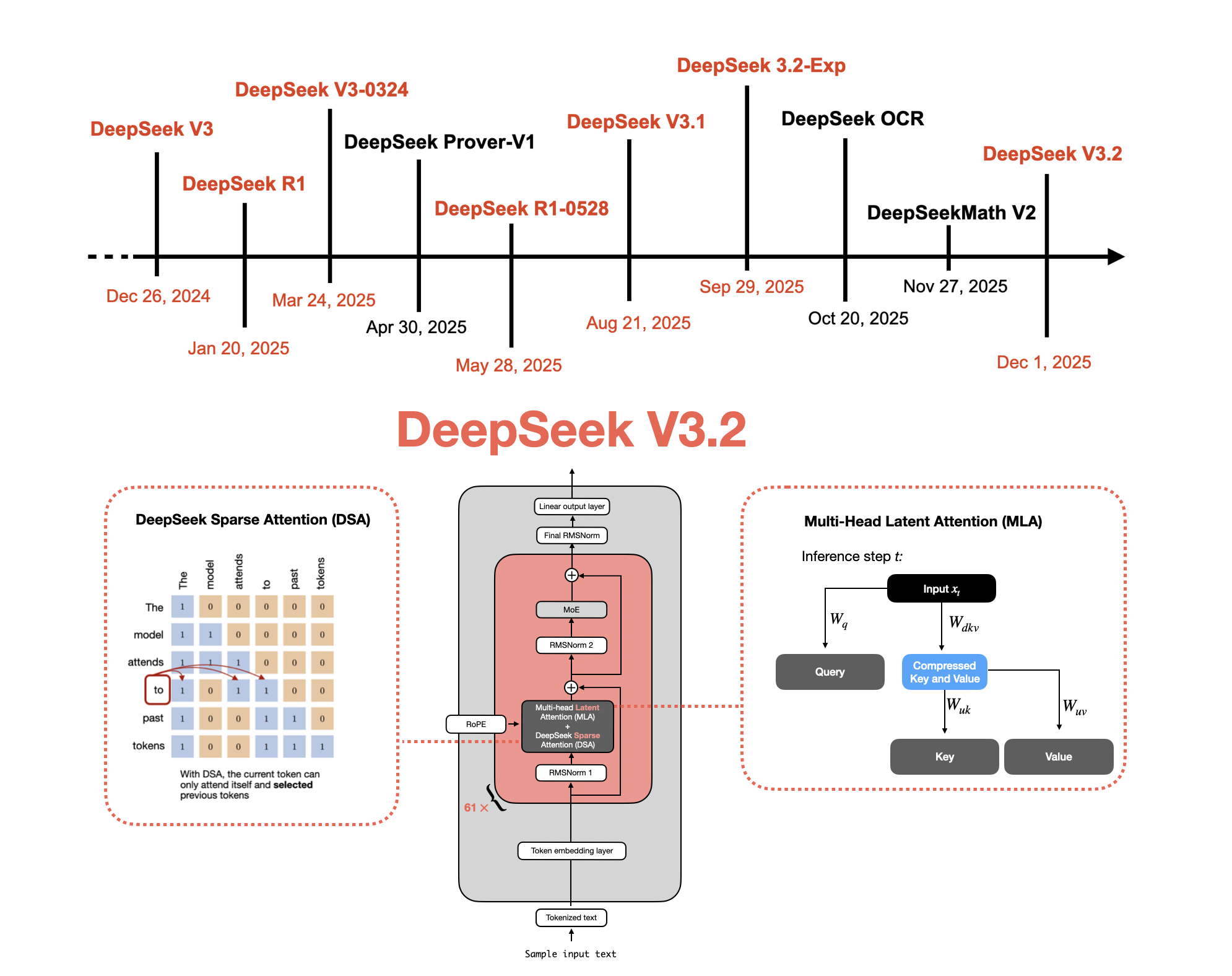
Understanding How DeepSeek's Flagship Open-Weight Models Evolved
By Sebastian Raschka, PhD
The paper investigates the use of a large language model (LLM) agent to automate the creation and execution of a federated learning workflow for medical image analysis. By generating a reviewable specification of constraints and acceptance criteria, the LLM produces an executable workflow, while a validation loop repairs failures and ensures conformance to the specification. Experiments on the FABRIC testbed demonstrate that the approach can detect silent errors—such as a run that trained 1,700 jobs on random tensors—that traditional failure-driven debugging would miss.
By Komal Thareja, Hamza Safri, Rajiv Mayani, Anirban Mandal, Ewa Deelman