Hugging Face Blog
Dec 18, 2023
Aurora 1. 5 adds 22 more variables, hourly temporal resolution, and probabilistic ensemble forecasting to the Aurora foundation model, making it more useful for real-world weather, climate, and energy applications.
We are now accepting applications for our third class of OpenAI Scholars.
DeepMind has released foundational datasets for precipitation and geostationary satellite observations, aiming to improve AI weather models. The datasets provide clear, comprehensive views of the planet’s weather patterns. By making these data publicly available, DeepMind supports broader research and development in climate science and AI forecasting.
OpenAI is acquiring Neptune to deepen visibility into model behavior and strengthen the tools researchers use to track experiments and monitor training.
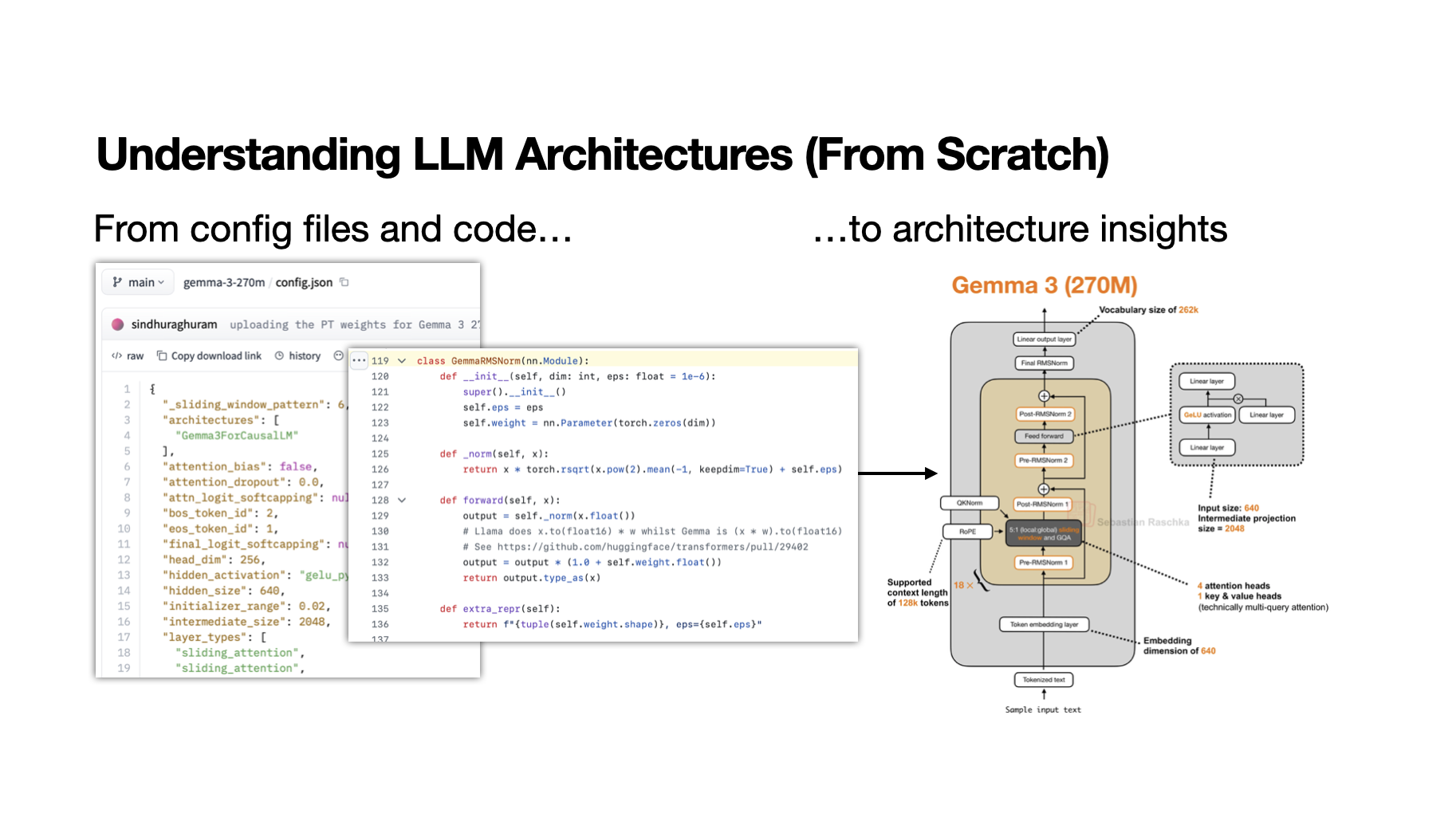
A learning-oriented workflow for understanding new open-weight model releases
OpenAI shares model results on the Kakeya conjecture, Exponential Time Hypothesis, and quantum chromodynamics, and explains how researchers can verify and build on them. The post highlights collaboration with academic communities to advance scientific understanding.
arXiv:2609.38312v1 Announce Type: cross Abstract: The Platonic Representation Hypothesis predicts that sufficiently scaled foundation models converge on a shared representation of the world. As each...