Sebastian Raschka
Jul 1, 2025
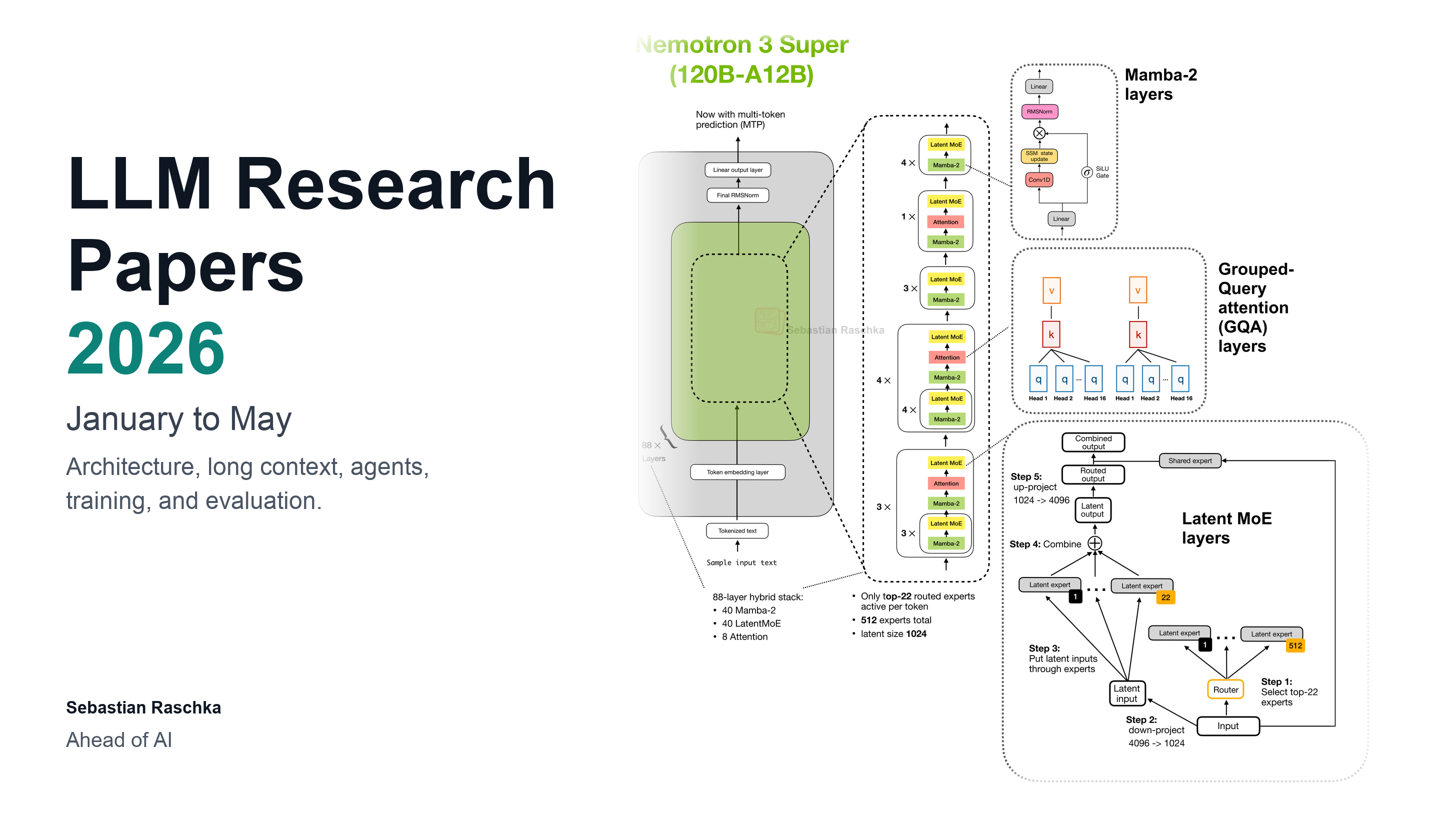
LLM Research Papers: The 2025 List (January to June)
A topic-organized collection of 200+ LLM research papers from 2025
In June, I shared a bonus article with my curated and bookmarked research paper lists to the paid subscribers who make this Substack possible.
A topic-organized collection of 200+ LLM research papers from 2025
A curated roundup of notable LLM research papers that came out this year
Google 2025 recap: Research breakthroughs of the year
Follow this framework to build a project that will impress hiring managers The post The Exact ML Project I’d Build to Get Hired in 2026 appeared first on Towards Data Science .
Simon Willison reflects on his current disinterest in large language models (LLMs), comparing it to a geneticist dismissing the newly opened Jurassic Park. He emphasizes that this stance feels odd given the excitement surrounding LLMs. The note highlights his personal stance on AI and generative‑AI topics.
arXiv:2601.17036v2 Announce Type: replace-cross Abstract: ArXiv recently prohibited the upload of unpublished review papers to its servers in the Computer Science domain, citing a high prevalence of...
We’re releasing a new batch of seven unsolved problems which have come up in the course of our research at OpenAI.
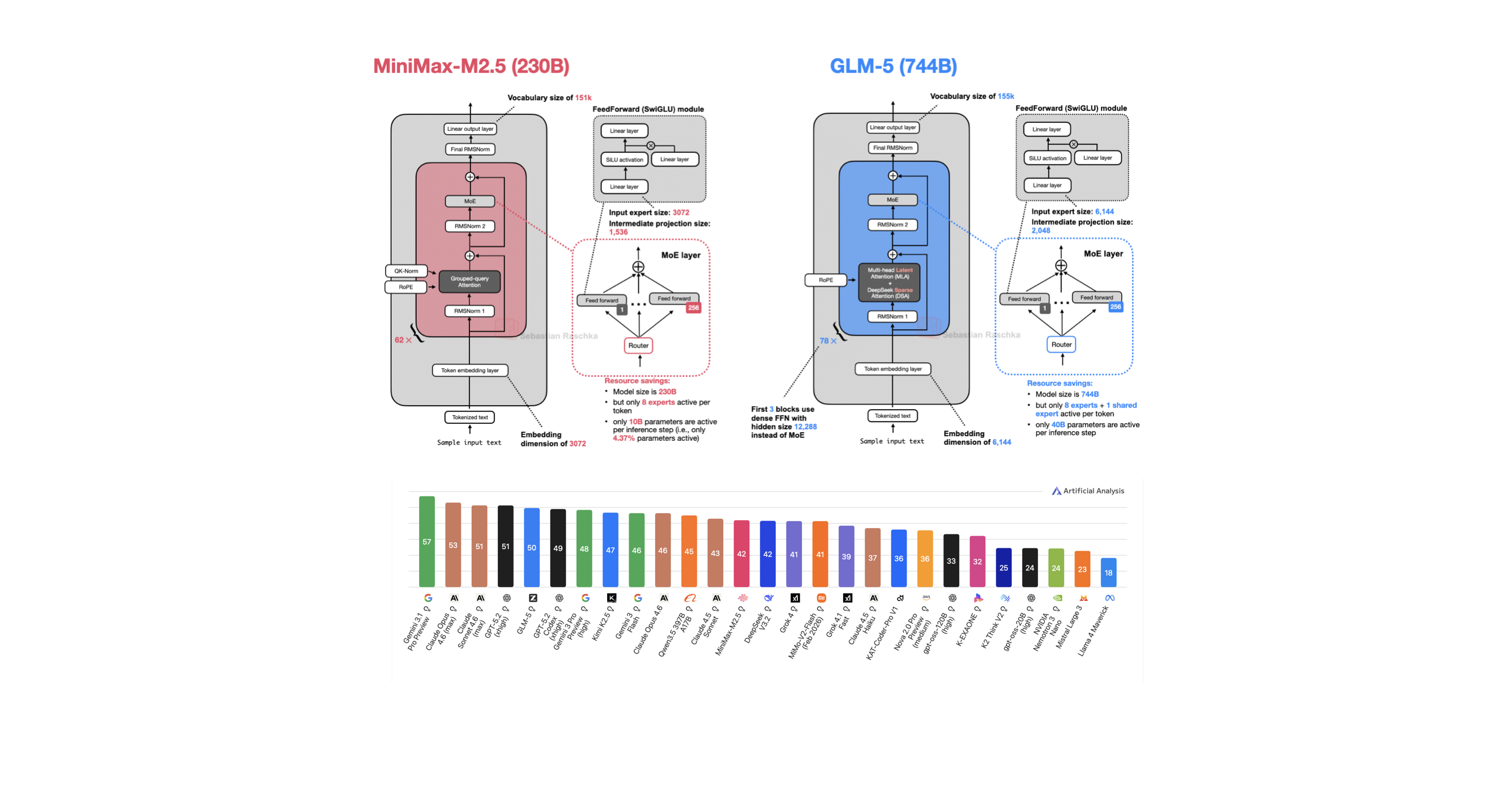
A Round Up And Comparison of 10 Open-Weight LLM Releases in Spring 2026
The paper introduces the Scientific Contribution Graph, a large-scale resource that extracts 6 million scientific contributions from 655 k open-access papers across multiple disciplines and links them with 36 million prerequisite edges. It frames automated technological roadmapping as the task of identifying contributions and their prerequisites, and presents a new scientific prerequisite prediction task where models forecast which existing technologies enable future discoveries. The authors report that current models achieve a 0.48 MAP score on temporally-filtered backtesting, indicating rapid progress in this area.
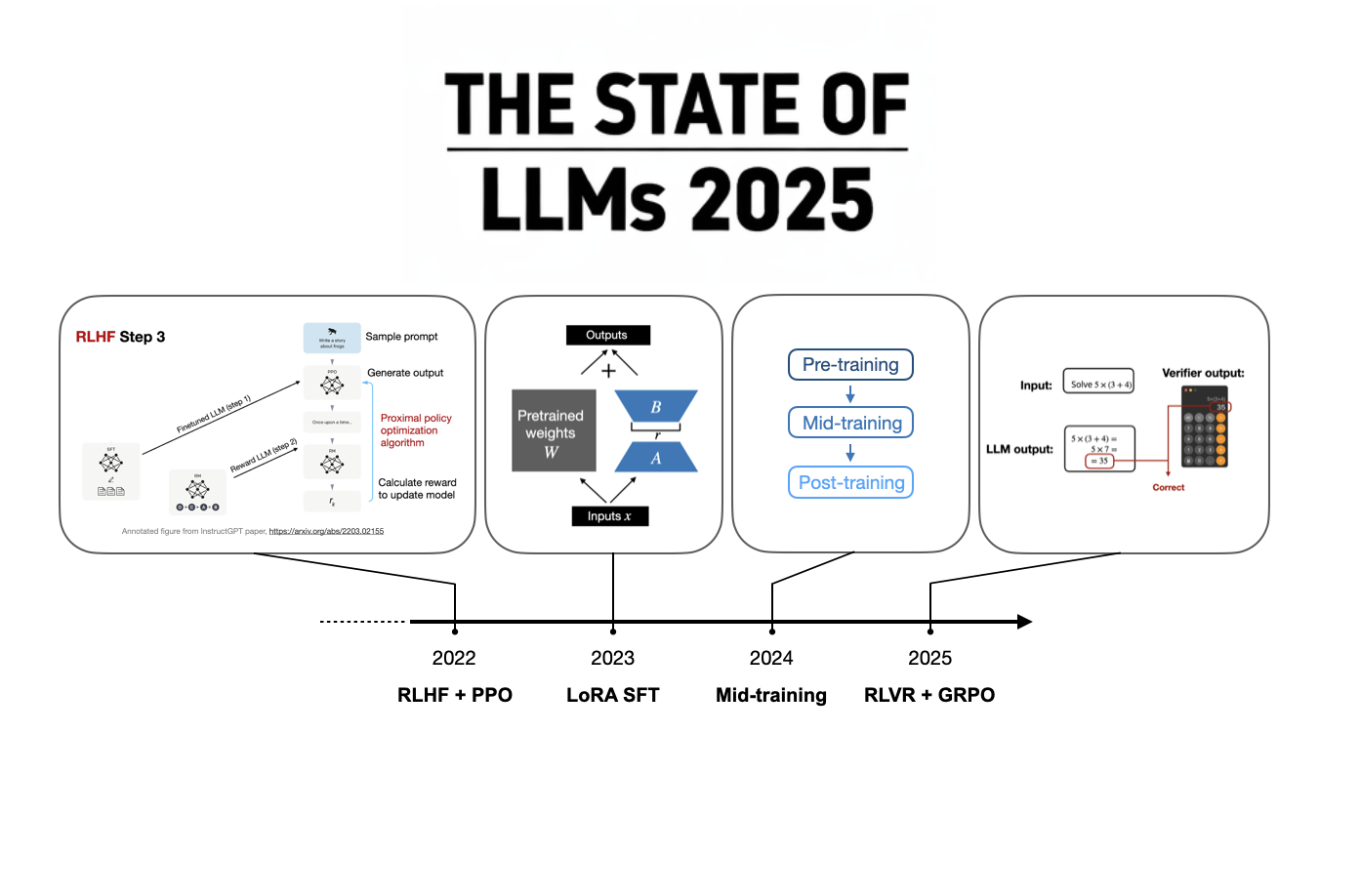
A 2025 review of large language models, from DeepSeek R1 and RLVR to inference-time scaling, benchmarks, architectures, and predictions for 2026.